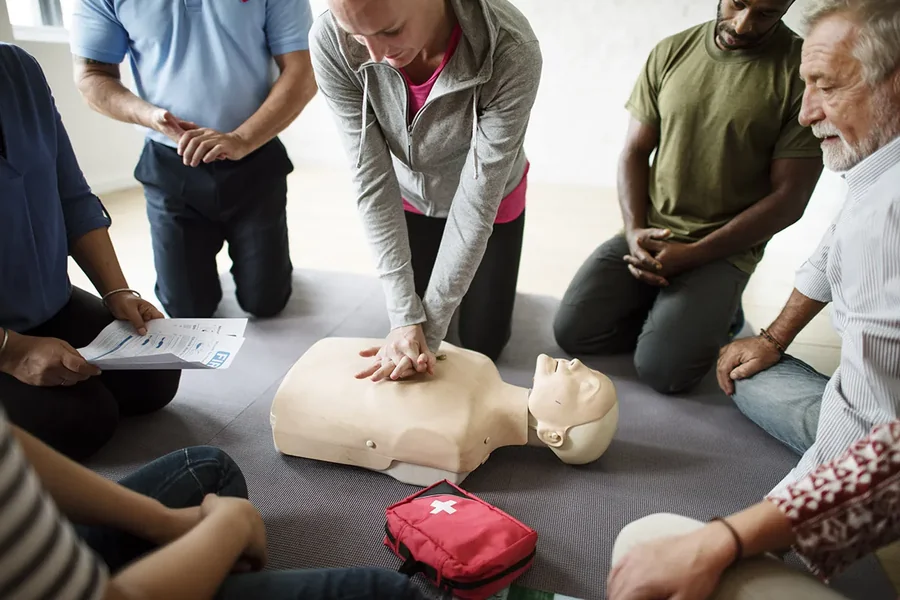
First aid is a crucial life skill that empowers individuals to respond effectively during emergencies, potentially saving lives and minimizing the severity of injuries. For beginners, learning first aid can seem overwhelming, but focusing on the most essential skills provides a strong foundation for handling common situations. Whether at home, work, or in public spaces, knowing how to assess a scene, perform CPR, control bleeding, and manage shock can make a significant difference. Understanding these basics not only boosts confidence but also ensures that you are prepared to act quickly and appropriately when every second counts.
Essential first aid skills overview
Assessing the situation and ensuring safety
The first and most important step in any emergency is to assess the situation calmly and ensure your own safety before providing help. Beginners often overlook the importance of checking for potential dangers, but this step is vital to prevent further harm to yourself or others. Look for hazards such as fire, electrical wires, traffic, or unstable structures. Once you have determined that it is safe to approach, quickly evaluate the condition of the injured or ill person. Check for responsiveness by gently tapping and speaking to them. If the person does not respond, call for emergency medical services immediately. If others are present, delegate tasks such as calling for help or retrieving a first aid kit. By staying calm and methodical, you can provide effective assistance without putting yourself or others at unnecessary risk. This foundational skill sets the stage for all other first aid interventions and ensures that help is provided in a safe and organized manner.
Performing CPR and using an AED
Cardiopulmonary resuscitation, commonly known as CPR, is one of the most vital first aid skills for beginners to learn. Sudden cardiac arrest can happen to anyone, anywhere, and immediate action can double or even triple a person’s chance of survival. CPR involves chest compressions and rescue breaths to maintain blood flow and oxygenation until professional help arrives. Automated external defibrillators, or AEDs, are increasingly available in public spaces and are designed to be user-friendly, even for those with minimal training. Learning how to recognize cardiac arrest, perform effective chest compressions, and use an AED correctly is essential. Many organizations, including the Red Cross Training Partner, offer comprehensive courses that teach these lifesaving techniques in a hands-on environment. Practicing these skills regularly helps build muscle memory and confidence, ensuring that you can act quickly and effectively in a real emergency. Understanding the importance of early intervention and knowing how to use available resources can make a significant difference in the outcome for someone experiencing cardiac arrest.
Controlling bleeding and wound care
Uncontrolled bleeding is a leading cause of preventable death in emergencies, making it critical for beginners to understand how to manage wounds effectively. The first step is to apply direct pressure to the wound using a clean cloth or bandage, which helps stem the flow of blood. Elevating the injured area above the level of the heart can also reduce bleeding. If the bleeding does not stop with direct pressure, additional measures such as applying more bandages or using a tourniquet may be necessary, but these should only be used when absolutely required. Proper wound care also involves cleaning the area to prevent infection and covering it with a sterile dressing. Recognizing the signs of severe bleeding, such as blood that spurts or soaks through bandages quickly, is essential for determining when to seek immediate medical attention. By mastering these basic techniques, beginners can provide critical support in the moments before professional help arrives, potentially saving lives and reducing the risk of complications.
Managing shock in emergency situations
Shock is a life-threatening condition that can occur after severe injury, blood loss, or trauma. It is important for beginners to recognize the signs of shock, which may include pale or clammy skin, rapid breathing, weakness, and confusion. The primary goal in managing shock is to maintain blood flow to vital organs. This involves keeping the person lying down, elevating their legs if possible, and covering them with a blanket to maintain body temperature. Avoid giving food or drink, as this can complicate treatment if surgery is needed. Reassure the person and monitor their breathing and pulse until emergency services arrive. Prompt recognition and management of shock can prevent further deterioration and improve the chances of recovery. Understanding how to respond to shock is a key component of first aid training and ensures that you are prepared to handle a wide range of emergency scenarios with confidence and care.
Treating burns and scalds
Burns and scalds are common injuries that require immediate and appropriate first aid to minimize damage and promote healing. The first step is to remove the source of heat and cool the affected area with running water for at least ten minutes. This helps reduce pain, swelling, and the risk of further tissue damage. Avoid using ice, creams, or greasy substances, as these can worsen the injury. Once the burn has been cooled, cover it with a clean, non-stick dressing or cloth to protect it from infection. It is important to recognize when a burn requires professional medical attention, such as burns that are deep, cover a large area, or affect the face, hands, or genitals. By understanding how to treat burns and scalds effectively, beginners can provide immediate relief and reduce the risk of complications, ensuring the best possible outcome for the injured person.
Recognizing and responding to choking
Choking can happen suddenly and is a life-threatening emergency that requires quick action. When someone is choking, they may be unable to speak, cough, or breathe, and their face may turn red or blue. The recommended first aid response is to encourage the person to cough if they can, as this may dislodge the object. If the airway remains blocked, performing abdominal thrusts, also known as the Heimlich maneuver, can help expel the obstruction. Stand behind the person, place your arms around their waist, and deliver quick, upward thrusts just above the navel. Continue until the object is expelled or the person becomes unresponsive. If the person loses consciousness, begin CPR and call for emergency help. Knowing how to recognize the signs of choking and respond appropriately can prevent serious injury or death, making this an essential skill for all beginners to learn.
The importance of regular first aid training
Staying current with first aid knowledge is crucial, as guidelines and recommended techniques can change over time. Regular training sessions help reinforce skills, build confidence, and ensure that you are prepared to respond effectively in an emergency. Many organizations offer refresher courses and hands-on practice, making it easy to keep your skills up to date. By committing to ongoing learning, you can maintain your readiness to help others and make a positive impact in your community.
Conclusion
Learning the most important first aid skills is a valuable investment in your ability to help others during emergencies. By understanding how to assess situations, perform CPR, control bleeding, manage shock, treat burns, and respond to choking, beginners can provide critical support when it matters most. Regular training and practice ensure that these skills remain sharp and effective, giving you the confidence to act quickly and appropriately. Being prepared with first aid knowledge not only benefits those around you but also contributes to a safer and more resilient community. Taking the time to learn and maintain these essential skills can make a real difference in the lives of others when unexpected situations arise.

I’m Owais Ahmed, the creator of DailyMessagez.com — a place where emotions find words. With a passion for writing and expertise in SEO, I craft heartfelt messages that not only connect with readers but also reach the right audience. My goal is to inspire love, gratitude, and positivity through every line.