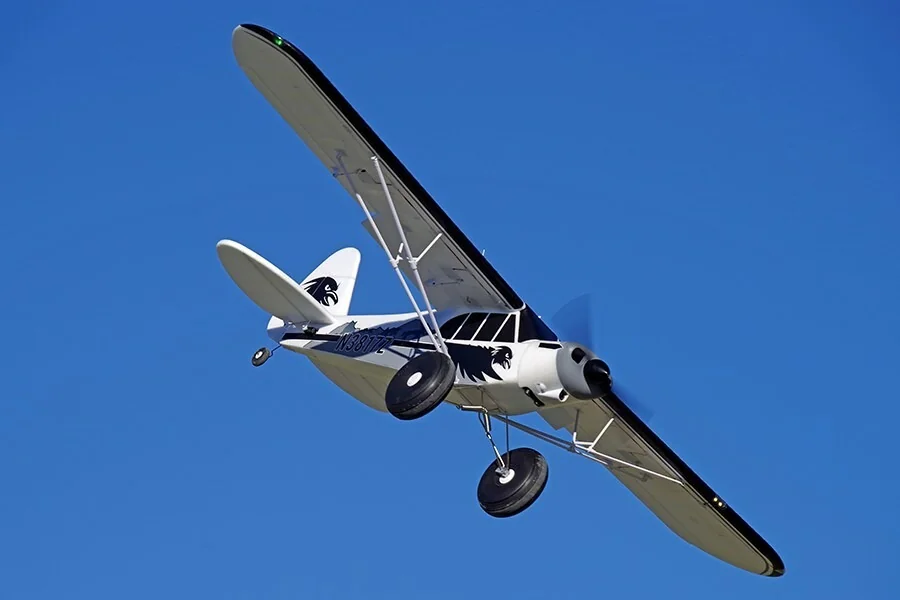
Radio-controlled (RC) aircraft have captured the imaginations of hobbyists and enthusiasts for decades. From sleek aerobatic planes to nimble drones, RC flight combines technical skill, precision, and creativity. For beginners, the thrill of taking a miniature aircraft off the ground can be exhilarating—but it requires a solid understanding of flight controls to ensure a safe and enjoyable experience. This guide will walk you through the fundamentals of RC flight, from takeoff to landing, emphasizing the skills every pilot needs to master.
Understanding Your RC Aircraft
Before you even power up your transmitter, it’s crucial to familiarize yourself with your aircraft. RC planes come in various forms, from trainers designed for beginners to advanced aerobatic models. Regardless of type, all RC aircraft share the same basic control surfaces: ailerons, elevator, rudder, throttle, and sometimes flaps.
- Ailerons control the roll of the aircraft, tilting it left or right.
- Elevator manages pitch, allowing the nose of the plane to rise or dip.
- Rudder controls yaw, turning the aircraft’s nose left or right.
- Throttle regulates engine or motor power, controlling speed and climb rate.
- Flaps (if present) aid in reducing landing speed and increasing lift at slower speeds.
For beginners, visiting a local RC store can be invaluable, as you can see different models, get advice, and even test components before making a purchase. Understanding these components and their interactions is the foundation of safe and effective RC piloting.
Pre-Flight Preparation
Thorough pre-flight checks are essential to prevent accidents. Inspect your plane for loose parts, ensure the battery is fully charged, and verify that all control surfaces respond correctly to your transmitter inputs. Equally important is selecting an open, obstacle-free area for flying, such as a dedicated RC airfield or large park. Weather conditions, including wind speed and direction, also significantly affect flight performance, especially for lightweight aircraft.
The Art of Takeoff
Takeoff is often the most nerve-wracking moment for beginners, but mastering it sets the tone for the entire flight. Start by positioning your aircraft into the wind to maximize lift. Gradually increase throttle while maintaining a straight heading using small rudder corrections. Most trainer aircraft are designed to lift off at moderate speed; avoid sudden full-throttle inputs that can cause instability.
As the plane leaves the ground, gently adjust the elevator to maintain a steady climb. It’s important to maintain smooth, minimal control inputs—overcorrection can quickly lead to stalls or loss of control. For novice pilots, practicing on flat, open terrain reduces risk and builds confidence.
In-Flight Control and Maneuvering
Once airborne, the key to a controlled flight is understanding the relationship between the control inputs and the aircraft’s responses. Small, deliberate movements of the ailerons, rudder, and elevator will keep your plane stable and predictable. Beginners should focus on mastering basic maneuvers before attempting complex aerobatics.
- Straight and Level Flight: Maintain a consistent throttle setting and adjust pitch minimally to keep the plane level.
- Turns: Use coordinated aileron and rudder inputs to execute smooth turns without losing altitude.
- Climbs and Descents: Gradually increase or decrease throttle while adjusting elevator input to control pitch and airspeed.
Practicing these fundamental maneuvers develops muscle memory, making advanced flying techniques easier to master later.
Preparing for Landing
Landing is often cited as the most challenging part of RC flight, but careful planning can simplify the process. Begin by reducing throttle gradually, allowing the plane to descend at a controlled rate. Keep the aircraft aligned with the landing area and avoid sudden turns close to the ground. For models with flaps, deploy them to slow the plane and increase lift as you approach the runway.
As the plane nears the ground, use subtle elevator adjustments to ensure a smooth touchdown. Avoid abrupt movements, which can lead to nose dives or tip-overs. After landing, cut the throttle and maintain control until the plane comes to a complete stop.
Safety and Skill Development
Safety should always be a top priority in RC aviation. Flying with a buddy or mentor provides real-time guidance and reduces the risk of accidents. Joining a local RC club can also offer access to training resources, flying fields, and a supportive community.
Skill development in RC flight is a gradual process. Focus on consistency, practice in varied conditions, and always respect the limits of your aircraft. With patience and perseverance, the complex dance of controlling an RC plane—from takeoff to landing—becomes second nature, unlocking a world of aerial enjoyment.
Mastering RC flight control is both an art and a science. By understanding your aircraft, performing careful pre-flight checks, executing smooth takeoffs, maintaining controlled flight, and planning precise landings, even beginners can experience the thrill of piloting their own miniature aircraft. The sky is the limit—literally—when you have the fundamentals of RC flight under your control.

I’m Owais Ahmed, the creator of DailyMessagez.com — a place where emotions find words. With a passion for writing and expertise in SEO, I craft heartfelt messages that not only connect with readers but also reach the right audience. My goal is to inspire love, gratitude, and positivity through every line.