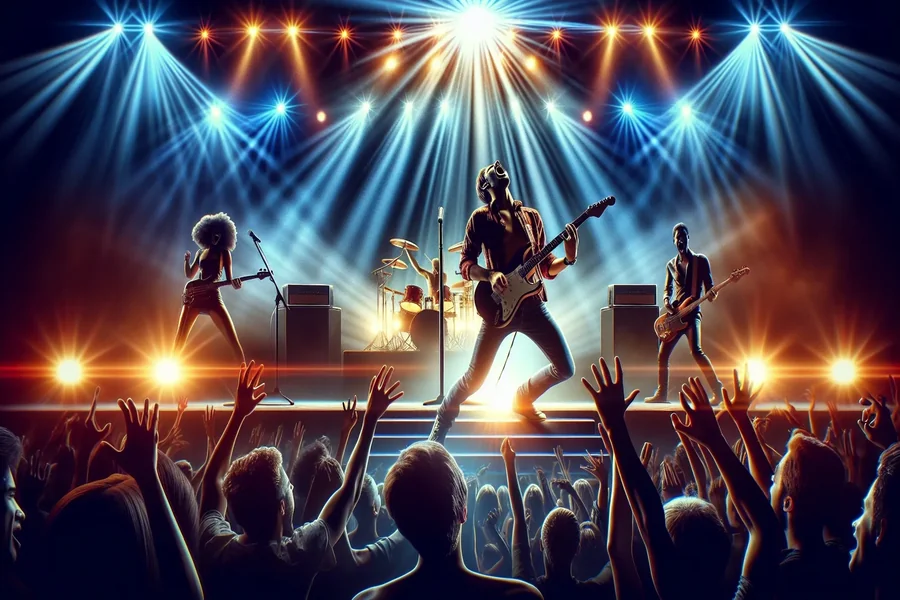
The Power of Music in Modern Entertainment cannot be overlooked. It can be the emotive music in a movie, the power behind a viral video, or the music that plays in the background of a video game, music can influence not only how we feel but understanding how we recall the experience. It relates narratives with feelings and turns the most common situations into the scenes that are memorable. Music is more than ever in the digital age where it has become faster and more accessible to more people than any other time in history affecting trends, culture and even identity.
The last several decades have transformed the concept of entertainment significantly, yet music has remained at its heart. From streaming services and social media videos to film masterpieces and live performances broadcast online, sound continues to drive engagement. Platforms like Bored Flix showcase how music enhances the viewing experience, serving not only as an art form but also as a strategic tool that strengthens storytelling, builds brands, and creates emotional connections with audiences.
Music as the Emotional Core of Film and Television
Music is used in film and television as a silent narrator. The strong score may enhance suspense, dramatize romance, or become so emotional without uttering a single word. The effect of background music on the audiences might not necessarily be consciously felt; however, the effect is felt immediately.
Think of how an entry of a hero can be enhanced by dramatic orchestral music or how a good-bye scene can be made memorable with the help of a piano melody. Composers collaborate closely with directors in order to make sure that each note corresponds with the emotional tone of the story. Time, rhythm and orchestration are important. The slightest melody change can alter the perception of a scene.
Soundtracks are also important to the television series. Introduction music is iconic, even more famous than the show itself. The carefully selected playlists introduce a viewer to new musicians and strengthen the atmosphere of a narrative. In most instances, the songs used in the popular shows post an increase in the number of streams, which proves the entwined relationship between the visual media and music consumption.
Music is not the one that complements the story; it is what enhances the story. Without a well-considered score, most of the scenes that we will remember would be deprived of their emotional impact.
The Rise of Streaming and Digital Platforms
With the digital revolution, the distribution and consumption of music has been changed. Streaming services are a way to get access to millions of songs instantly and create personalized playlists and listen to various genres. This availability has increased the role of music in entertainment.
Video sharing websites creators use the trending tracks to increase their visibility. The popularity of short-form videos is also often due to the sound clips that are catchy and that viewers desire to re-use. It is possible that a song can become viral in several days and touch various countries and cultures at an unbelievably speed.
To artists, the digital platforms present opportunities and challenges. The independent musicians will be allowed to present their work to the world without record label assistance. Meanwhile, the competitive environment means that one has to be creative at all times to be different. Algorithms also determine the songs that will be listened to by many people, data analysis has become nearly as valuable as artistic skill.
Streaming has also made the boundary between music and other entertainment tools very thin. Podcasts employ well-chosen soundtracks in creating an atmosphere. Online fitness classes will rely on the use of upbeat playlists to inspire the participants. Background music is also used even when it comes to virtual events and webinars to make them more engaging.
Music in Gaming and Interactive Media
Gaming themes that have become iconic can be known outside the games community. Live orchestral events where fans listen to all-game soundtracks are held. This cross over underscores the fact that interactive media has taken music to a whole new level of creative heights.
Interrelations between industries are also enhanced by the introduction of popular songs in games. Games based on rhythm are fully centered on music so that the player can interact directly with beats and tunes. In the meantime, the big names will partner with famous musicians to record special songs, which will be advertised by the game as well as by the artist.
Music is not background music especially in an interactive setting. It turns into an active participant in story telling and player involvement.
Cultural Influence and Social Identity
Culture has its identity through music. In current entertainment, it can even be used by the social movements, the values of the generation and the individual expression. Among themes that are tackled in lyrics include equality, mental health, love and resilience to a point that they resonate with the people.
Music movements often create the trends in pop culture. Slang and dance challenges, as well as fashion styles, tend to start with songs that have received a large following. These trends are enhanced by social media making them cultural moments of a song.
Live concerts also help in community building. Festivals, concerts, and live streams via the Internet provide people with a shared experience that glues the fans together. Music brings together even in the digital realm. Artists develop fan groups on the Internet, where they exchange their interpretations and celebrate birthdays.
By so doing, music is not just entertainment. It will be integrated into the way people identify themselves and relate with others.
The Business and Branding Power of Music
In addition to being an art, music is highly marketable in contemporary media. Advertisements are meticulously designed by brands when it comes to picking the song that brings a certain feeling and creates a long-term impression. An appropriate track can raise brand awareness and influence the opinion of people.
The movie studios and production companies also tend to work with popular artists to create promotional singles associated with big releases. All these partnerships are profitable to both sides, as they increase coverage and create more revenue sources.
Licensing of music has emerged as one of the critical parts of the entertainment economy. The rights agreements are the one that is used to sort out how the songs are utilized in the films, shows, games and internet media. This sophisticated structure takes care of the fact that creators are paid and also that businesses are able to use music strategically.
The financial aspect highlights the role of sound in determining the engagement of the audience and profitability.
Final Thought
The Power of Music in Modern Entertainment consists in the fact that the emotion, technology and culture are interconnected. Whether it is the soundtrack of movies that leave people in awe of the movie or viral songs that monopolize the internet, music keeps on being the way in which narratives are shared and enjoyed. It improves movies, promotes immersion in games, reinforces branding, and constructs social identity.
With the advancement of technology, the use of music is also expected to grow even more. AI can be used in composition, and immersive technologies produce even more interactive sound experiences. But still the fundamental attraction stays the same. Music directly refers to human emotion.
Sound is one of the strongest means of attracting attention and creating long-term memories in the world where the richness of information sources is overwhelming. Contemporary entertainment can be dependent on high-quality images and a digital breakthrough, however, without music, a lot of its magic would be lost. The music and the storytelling are in harmony, which makes sure that the music will continue to be the center of entertainment in the future generations.
FAQs
Why is music important in films and television?
Music enhances emotional impact, builds atmosphere, and strengthens storytelling in films and television.
How has streaming changed the music industry?
Streaming has increased accessibility, allowed global distribution, and shifted revenue models toward subscription-based platforms.
What role does music play in video games?
Music in video games creates immersive experiences, responds to player actions, and reinforces narrative themes.
Can music influence culture and trends?
Yes, music often shapes fashion, language, social movements, and online trends.
How do brands use music in marketing?
Brands use music in advertisements and campaigns to evoke emotions, improve recall, and connect with target audiences.
Will technology continue to change how music is created?
Advances in technology, including artificial intelligence and immersive audio systems, will continue to influence how music is produced and experienced.

I’m Owais Ahmed, the creator of DailyMessagez.com — a place where emotions find words. With a passion for writing and expertise in SEO, I craft heartfelt messages that not only connect with readers but also reach the right audience. My goal is to inspire love, gratitude, and positivity through every line.