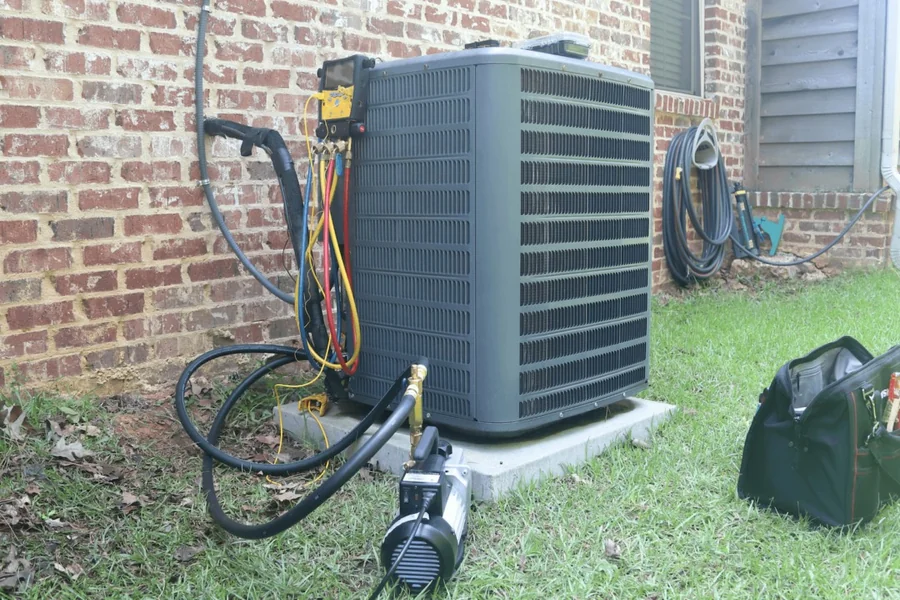
Your HVAC system works quietly in the background, keeping your home comfortable through hot summers and cold winters. But when something starts to go wrong, the early warning signs usually appear long before the system completely breaks down. The problem is that many homeowners ignore those signals until comfort drops, energy bills rise, or the system stops working at the worst possible time. Knowing what to watch for helps you act early, reduce the risk of major damage, and protect both indoor comfort and air quality. Timing matters because quick fixes are often simpler and cheaper than repairs made after a small issue spreads.
Key Signs Your HVAC System Needs Help Now
Unusual Noises That Weren’t There Before
HVAC systems make normal operational sounds, but sudden banging, clanking, grinding, or high-pitched screeching is not normal. These noises often point to loose parts, blower problems, motor strain, or components that are rubbing or failing. The longer the system runs with an internal mechanical issue, the more likely it is that a minor repair turns into a larger replacement. If the sound is persistent or gets louder over time, it’s a clear signal the system needs inspection before damage spreads further.
Timing is everything when it comes to maintaining a comfortable home environment, especially as seasons transition and demand on your equipment peaks. Ignoring minor issues often leads to total system failure at the most inconvenient times, resulting in higher emergency repair costs. If your current unit is beyond its prime, considering a new heat pump installation can provide a more energy-efficient alternative for year-round climate control. Modern systems offer superior performance compared to older, less efficient models that struggle to maintain consistent temperatures. Addressing these needs early ensures your household remains protected from extreme weather without the stress of sudden breakdowns or soaring utility bills.
Uneven Temperatures Across the House
If one room feels warm while another stays cold—even when the thermostat is set correctly—your system may not be distributing air properly. Common causes include duct leaks, blocked vents, airflow restrictions from dirty filters, or a thermostat that’s not reading the home’s temperature accurately. Uneven temperatures also suggest the system is working harder than necessary, which increases wear on key components. Fixing the underlying cause early restores comfort and helps the system operate more efficiently.
Beyond the obvious performance issues, subtle shifts in how your equipment functions can serve as early indicators of deeper mechanical stress. For instance, a system that runs longer than usual to reach a set temperature often points to compromised internal efficiency or failing sensors. Monitoring these technical nuances within your HVAC setup allows for a more proactive approach to home maintenance, preventing minor component wear from escalating into a total system shutdown. Taking the time to observe these patterns ensures that your indoor environment remains stable regardless of external weather shifts. Ultimately, consistent vigilance regarding system behavior is the most effective way to safeguard both your long-term comfort and your household budget.
A Sudden Spike in Energy Bills
When your utility bill jumps without a clear change in usage, it often means the HVAC system is running longer cycles or struggling to meet the thermostat setting. Dirty filters, clogged coils, failing capacitors, low refrigerant, or airflow issues can all force the system to consume more power. Even if the home still feels comfortable, rising energy costs can be one of the earliest indicators that efficiency is dropping. Addressing the cause quickly can prevent ongoing waste and reduce the risk of a bigger failure.
Persistent performance issues often stem from overlooked mechanical strain within the system’s core components. When a unit struggles to meet the demands of fluctuating seasonal temperatures, the internal hardware frequently experiences accelerated wear that leads to unexpected breakdowns. Residents and business owners in Concord, NC often observe that identifying these minor inefficiencies early can prevent the total failure of expensive blower motors or compressors. By paying close attention to slight changes in airflow or new, subtle vibrations, property owners can take the necessary steps to restore balance to their climate control systems. Proactive monitoring serves as the most effective strategy for maintaining long-term reliability and avoiding the high costs associated with emergency mechanical restorations.
Poor Indoor Air Quality and Humidity Problems
If your home feels more humid than usual, dust seems to build up faster, or you notice musty odors, your HVAC system may not be filtering or conditioning air effectively. This can happen when filters are clogged, ducts are dirty, coils are holding moisture, or ventilation is insufficient. Poor air quality isn’t just a comfort issue—it can affect health, sleep, and overall indoor freshness. When humidity or dust becomes noticeable, it’s often a sign the system needs attention sooner rather than later.
Beyond the immediate mechanical components of a heating and cooling system, the quality of the air circulating through your vents is a critical indicator of overall performance. When filters become clogged or ducts collect debris, the respiratory health of the home begins to suffer, often manifesting as increased dust or lingering odors. Modern homeowners often address these concerns by exploring air purifier installations tomball as a way to supplement their existing HVAC infrastructure and capture finer particulates. Integrating such technology ensures that the climate control system does more than just regulate temperature, but actively creates a sterile environment. Prioritizing these upgrades can prevent long-term strain on your equipment while significantly improving the comfort of your living space.
Short Cycling or Constant Running
Short cycling means the system starts and stops frequently without completing a full heating or cooling cycle. This can be caused by thermostat issues, overheating, restricted airflow, or failing electrical components. On the other end, a system that runs constantly may be undersized, low on refrigerant, or struggling with heat transfer due to dirty coils. Both patterns increase wear, raise energy use, and can lead to breakdowns if ignored.
Why Timing Matters More Than Most People Think
When HVAC problems are handled early, they’re often contained to a single component or a simple adjustment. When they’re delayed, the system compensates by working harder, which increases strain across multiple parts. A small refrigerant issue, for example, can lead to compressor stress. A simple airflow restriction can overwork the blower motor. Fixing problems quickly helps protect expensive components, reduces emergency repair risk, and prevents sudden failures during peak weather. It also limits the inconvenience of losing heating or cooling when you need it most, especially during extreme temperatures.
The Role of Regular Maintenance in Preventing Emergencies
Regular HVAC maintenance reduces the chances of surprise breakdowns because it keeps the system clean, calibrated, and operating within safe limits. Routine service typically includes checking filters, inspecting electrical connections, evaluating airflow, cleaning critical parts, and identifying wear before it turns into failure. Maintenance also helps keep energy use steady and can improve indoor air quality by reducing dust buildup and moisture-related issues. This proactive approach is usually far more cost-effective than waiting for the system to fail and paying for urgent repairs.
When to Call a Professional Right Away
Some warning signs shouldn’t be delayed at all. If you notice burning smells, repeated breaker trips, water pooling near the unit, refrigerant-like odors, or the system repeatedly shutting down, professional inspection is the safest option. Frequent cycling, strange odors, and leaks often signal deeper mechanical or electrical issues that require proper diagnostics and tools. If you’re unsure whether the problem is minor, it’s better to have it assessed early than to risk compounding damage. For service information and professional support, Click here.
Conclusion
HVAC problems rarely appear out of nowhere. Most systems give signals first—unusual noises, uneven temperatures, rising bills, humidity changes, or abnormal cycling patterns. Acting quickly makes a real difference because early repairs are usually simpler, cheaper, and less disruptive. Waiting can allow a small issue to stress multiple parts of the system, increasing the chance of major breakdowns and uncomfortable days without heating or cooling. With routine maintenance, awareness of warning signs, and timely professional help, your HVAC system can stay dependable, efficient, and ready for every season.

I’m Owais Ahmed, the creator of DailyMessagez.com — a place where emotions find words. With a passion for writing and expertise in SEO, I craft heartfelt messages that not only connect with readers but also reach the right audience. My goal is to inspire love, gratitude, and positivity through every line.