Understanding How Residential Wastewater Systems Work
Modern wastewater systems quietly handle one of the most important jobs in any home: managing and treating everything that flows down your drains. Most homeowners rarely think about what happens after they flush or wash something away, but a strong system keeps the entire property running without disruptions. In regions where municipal lines aren’t available, many properties rely on septic tanks New Hampshire homeowners trust for long-term durability and dependable performance. Understanding how these systems operate helps homeowners make better decisions about care, maintenance, and upgrades.
A typical residential setup includes plumbing lines that carry wastewater out of the house, a tank where solids settle, and a drain field where treated water is safely released back into the ground. Each part has a specific role, and when everything is built and maintained correctly, the system can last for decades. Homeowners who understand the basics are better prepared to spot warning signs early and avoid expensive repairs.
Wastewater systems aren’t one-size-fits-all. Soil type, home size, local regulations, and property layout all influence the design. That’s why reliable septic tanks New Hampshire residents rely on are built with local conditions in mind. Whether a homeowner is building a new property or replacing an aging system, knowing how modern components work helps ensure the whole setup fits the home’s needs.
The Role of the Septic Tank in Today’s Homes
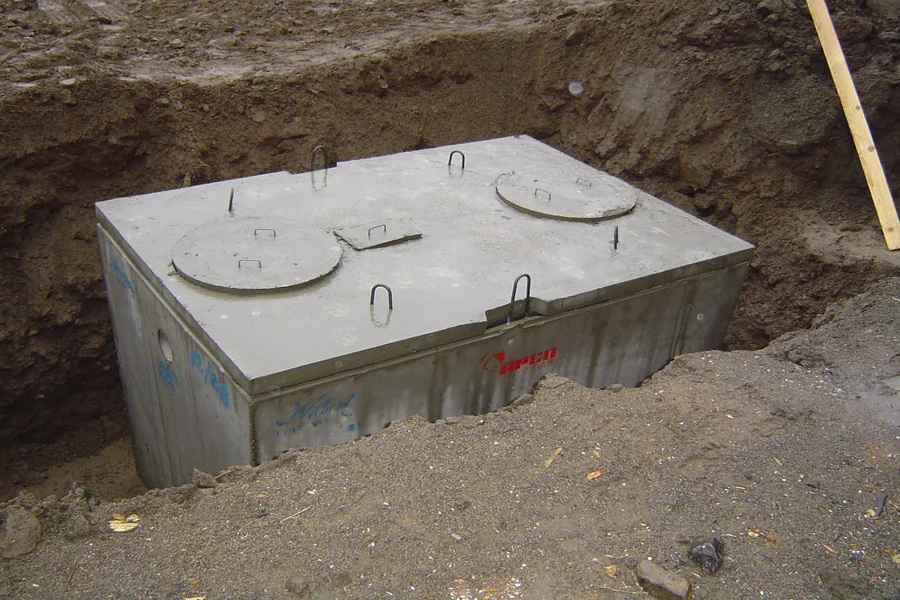
The septic tank is the heart of the system. It separates solids, allows natural bacteria to break down waste, and prepares the water for safe release into the drain field. Modern tanks come in various sizes and materials, but durability and proper installation matter more than anything. Many homeowners choose concrete tanks because they offer long service life and hold up well in colder climates.
Using septic tanks New Hampshire professionals recommend ensures the tank is appropriate for local soil and temperature conditions. A tank that’s too small, poorly placed, or made from the wrong material can lead to backups, odors, or even system failure. Modern tanks are designed to minimize these risks with features like thicker walls, reinforced lids, and better access points for inspections and pumping.
Homeowners often don’t realize how much their septic tank contributes to their daily comfort. Every time water leaves the home, the tank immediately goes to work. Choosing quality materials and proper sizing ensures the system can handle everything from showers and laundry to busy holiday weekends.
Why Drain Fields Matter More Than You Think
Once the tank does its job, the drain field takes over. This area contains perforated pipes buried in gravel or sand, allowing treated water to slowly absorb into the soil. Healthy soil filters the water before it returns to the environment. When a drain field is designed correctly, it provides effective, low-maintenance treatment for years.
However, drain fields are sensitive to what goes into the system. Too much water, fats, oils, wipes, or chemicals can overwhelm the area and lead to pooling, odors, or saturation. This is why understanding how to care for a system is essential for every homeowner. Using local septic tanks New Hampshire homeowners rely on ensures compatibility with the soil and drainage characteristics common across the region.
Homeowners should protect the drain field by keeping vehicles off the area, avoiding planting trees with aggressive roots nearby, and watching for signs of trouble such as soggy spots or slow drains inside the home. Regular pumping and inspections also protect the drain field and keep the entire system healthy.
Modern Upgrades That Improve System Efficiency
Today’s wastewater systems offer improvements that weren’t available decades ago. Modern tanks include stronger materials, better corrosion protection, and improved inlet and outlet designs. Homeowners can also incorporate risers for easier maintenance, effluent filters for cleaner water entering the drain field, and alarms for early warnings of high water levels.
Many residential systems now integrate advanced treatment units that go beyond traditional setups. These help improve water quality and allow systems to work in areas with challenging soil or limited space. For families building new homes, choosing a modern system can reduce long-term maintenance needs and increase property value.
When selecting upgrades, homeowners should work with professionals familiar with septic tanks New Hampshire homeowners commonly install. This ensures all components meet local code requirements and perform reliably in varying seasonal conditions.
Maintenance Habits Every Homeowner Should Adopt
A wastewater system doesn’t require constant attention, but it does depend on smart habits. Proper system care can extend lifespan, prevent emergencies, and avoid costly repairs. Most homeowners only need to focus on a few key practices to keep things running smoothly year-round.
Scheduling routine pumping every three to five years prevents solids from building up and entering the drain field. Using water efficiently helps the tank process waste without getting overwhelmed. Homeowners should also avoid flushing wipes, sanitary products, paint, chemicals, or grease. Even small amounts can disrupt natural bacteria or clog the system.
Inspections help catch small issues early, especially after heavy rain or during seasonal changes. Homeowners should also know where their tank and drain field are located to avoid damaging them during yard work or landscaping projects. Good habits paired with quality septic tanks New Hampshire experts install provide long-term reliability and peace of mind.
Signs Your System Needs Attention
Even the best wastewater systems can show signs of wear over time. Slow drains, gurgling sounds, persistent odors, or unusually green grass over the drain field often indicate a problem. Backups in sinks or toilets should never be ignored, as they typically signal that the tank or drain field needs immediate service.
Homeowners should also pay attention to standing water near the drain field or wet spots that don’t dry out. These are signs the soil is overloaded or the system isn’t processing wastewater properly. Addressing the issue early reduces the risk of expensive repairs or environmental contamination.
Professional technicians can assess components, check for blockages, and evaluate whether the tank needs pumping or repair. Acting quickly protects the home, the yard, and the entire system.

I’m Owais Ahmed, the creator of DailyMessagez.com — a place where emotions find words. With a passion for writing and expertise in SEO, I craft heartfelt messages that not only connect with readers but also reach the right audience. My goal is to inspire love, gratitude, and positivity through every line.