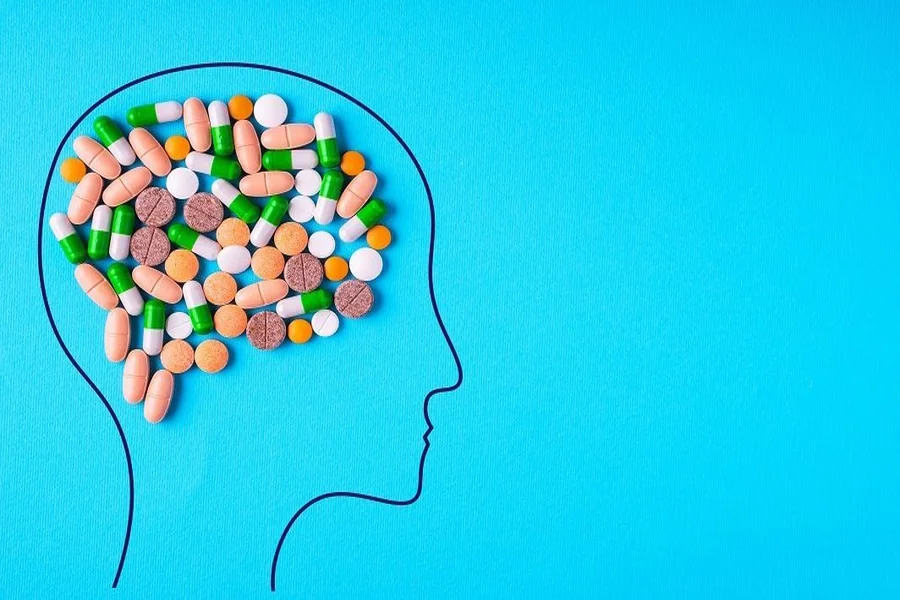
Have you ever struggled to stay focused during long study sessions? Do you feel mentally drained by the end of a workday or an exam week? Are you looking for ways to support your memory, clarity, and mental stamina without resorting to unhealthy habits? Cognitive health is the foundation for learning, productivity, and overall well-being, and maintaining it requires more than just caffeine or late-night cramming. While diet, sleep, and exercise are essential, certain supplements can give your brain an extra boost.
Understanding Cognitive Health
Cognitive health refers to the brain’s ability to process information, learn, memorize, and adapt to new situations. For students and young professionals, key cognitive functions include attention, working memory, mental clarity, and problem-solving skills. While genetics and lifestyle factors play a significant role, diet and nutrition are powerful modulators of brain function. Nutrient deficiencies, chronic stress, and inadequate sleep can impair neurotransmitter synthesis and neuronal communication, leading to decreased cognitive performance.
Supplements are intended to bridge nutritional gaps or enhance brain function by providing compounds that support neurotransmitters, blood flow, and neuroprotection. However, they are not magic pills. Optimal results come when supplements are combined with lifestyle practices like consistent sleep, stress management, physical activity, and balanced nutrition.
Key Supplements for Cognitive Enhancement
Omega-3 Fatty Acids
Omega-3 fatty acids, particularly EPA and DHA, are essential for brain structure and function. DHA is a major component of neuronal membranes, while EPA supports anti-inflammatory processes in the brain. Research shows that omega-3 supplementation can improve memory, attention, and mood, especially in individuals with low dietary intake of fatty fish. Typical dosage ranges from 500 mg to 2 grams of combined EPA and DHA per day.
B-Vitamins
B-vitamins, including B6, B9 (folate), and B12, are critical for neurotransmitter synthesis and homocysteine regulation. High homocysteine levels are associated with cognitive decline. B-vitamin supplementation can improve mental clarity, reduce fatigue, and support memory, particularly in people with deficiencies. A daily B-complex supplement is often recommended for young adults under high cognitive demand.
Vitamin D
Vitamin D receptors are widespread in the brain, influencing mood, cognition, and neuronal growth. Deficiency is common among students and professionals who spend most of their time indoors. Supplementation may support memory, executive function, and mental resilience. Typical dosages vary from 1,000 to 4,000 IU per day, depending on individual blood levels.
Magnesium
Magnesium supports neuronal signaling and stress regulation. Low magnesium levels can lead to irritability, poor focus, and sleep disturbances. Magnesium glycinate or citrate forms are generally well-absorbed and may improve concentration, stress response, and sleep quality—indirectly boosting cognitive performance.
Nootropics and Cognitive Enhancers
Nootropics are substances that enhance cognitive function, particularly memory, creativity, and focus. Among natural options, L-theanine (found in green tea) promotes relaxation without drowsiness and works synergistically with caffeine to improve alertness and focus. Rhodiola rosea and ginseng are adaptogens that reduce mental fatigue and improve resilience under stress. Many students and young professionals also explore where to buy nootropics online from reputable sources, ensuring safe and high-quality supplements. While synthetic nootropics like modafinil exist, they require medical supervision and are not suitable for casual use.
Antioxidants
Oxidative stress can damage neurons and accelerate cognitive decline. Antioxidants such as vitamin C, vitamin E, and polyphenols (found in berries, green tea, and dark chocolate) help protect the brain from oxidative damage. Polyphenols also improve cerebral blood flow, which supports learning and memory.
Creatine
Creatine is well-known in the fitness world, but it also supports brain energy metabolism. The brain consumes large amounts of ATP (energy), and creatine supplementation can increase energy availability in neurons, improving working memory and mental performance during demanding tasks.
Considerations for Safe Supplementation
While supplements can support cognitive function, they should be approached thoughtfully:
- Consult a healthcare professional: Blood tests can identify deficiencies and help tailor supplementation.
- Prioritize diet first: Supplements should complement, not replace, nutrient-rich foods like leafy greens, fish, nuts, seeds, and whole grains.
- Check dosage and quality: Over-supplementation can be harmful. Choose reputable brands and follow recommended dosages.
- Monitor for interactions: Some supplements can interact with medications or other supplements. For example, high doses of vitamin E can increase bleeding risk when combined with blood thinners.
Lifestyle Synergy
Supplements are most effective when paired with lifestyle practices:
- Sleep: Memory consolidation occurs during sleep; aim for 7–9 hours per night.
- Exercise: Aerobic exercise increases blood flow to the brain, enhancing cognitive performance and reducing stress.
- Nutrition: Emphasize whole foods rich in antioxidants, healthy fats, and complex carbohydrates.
- Mindfulness and stress management: Chronic stress impairs memory and attention; practices like meditation and deep breathing are beneficial.
Conclusion
For students and young professionals, cognitive health is not just about studying longer or working harder—it’s about optimizing brain function through nutrition, lifestyle, and, when appropriate, supplementation. Evidence supports the use of omega-3 fatty acids, B-vitamins, vitamin D, magnesium, antioxidants, creatine, and select natural nootropics to enhance memory, focus, and mental resilience. However, supplements work best as part of a holistic approach that includes sleep, exercise, stress management, and a balanced diet.
By taking a proactive approach to brain health now, young adults can not only improve academic and professional performance but also build long-term resilience against cognitive decline. The key is informed, safe supplementation, combined with lifestyle strategies that truly feed both body and mind.

I’m Owais Ahmed, the creator of DailyMessagez.com — a place where emotions find words. With a passion for writing and expertise in SEO, I craft heartfelt messages that not only connect with readers but also reach the right audience. My goal is to inspire love, gratitude, and positivity through every line.